Key points
- For many plumbing companies, commercial auto becomes one of the largest insurance costs as the fleet grows.
- Underwriters price a plumbing fleet largely on its drivers and its own loss history.
- Accurate vehicle and driver information is the foundation of a fair evaluation.
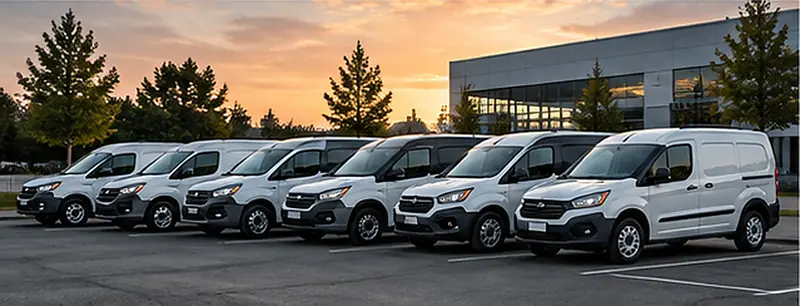
A plumbing company’s trucks are its storefront, its warehouse on wheels, and one of its largest exposures. Every service van spends the day on the road between customers, often driven by a technician working against a schedule. When a company grows from three vans to ten or fifteen, commercial auto stops being a line item and becomes a program that needs attention.
Texas Viking Insurance is interested in reviewing established plumbing fleet accounts — companies with multiple trucks and vans, current commercial auto coverage, and a reason to take a serious look at their program.
What underwriters focus on
Drivers. Motor vehicle records, ages, years of experience, and how you screen technicians before they drive. Many insurance companies have firm driver eligibility rules, and a single driver with a serious violation can affect the account.
Loss history. Five years of loss runs show how the fleet has actually performed. Explaining larger claims, and what changed afterward, helps.
Vehicles. Types, values, upfitting such as shelving, racks, and service bodies, and anything heavier, like a jetter or excavation unit.
Use and radius. Local service routes are viewed differently from regional travel. Where vehicles are garaged matters too.
Take-home vehicles. Common for on-call plumbers. Underwriters will ask about personal use and who else may drive.
Coverage worth reviewing
- Liability limits. Texas minimum auto liability is far below what most commercial customers require. Many established contractors carry $1,000,000 in auto liability with an umbrella above it.
- Physical damage. Comprehensive and collision values should reflect what upfitted vans are worth today, including permanently attached equipment.
- Uninsured/underinsured motorist and PIP. In Texas these generally must be offered and can be rejected only in writing. Make that decision deliberately.
- Hired and non-owned auto. For rented vehicles and employees using personal vehicles for supply runs or estimates.
- Coordination. Your umbrella should schedule the auto policy, and the auto and tools coverage should be arranged so the truck and what’s inside it are both addressed.
Adding vehicles
Growing plumbing companies add vans throughout the year. Know how your policy treats newly acquired vehicles and how quickly additions must be reported. A clean process for adding units and drivers protects you as much as the coverage itself. See what changes at five or more service trucks.
Accurate information matters
Fleet submissions with incomplete vehicle lists, missing drivers, or unexplained losses tend to get slower answers and worse terms. Before approaching any market, we work with you to assemble a complete, consistent submission. We can’t promise a lower premium or acceptance by any particular insurance company, but we can tell you whether a review looks worthwhile.
Running a larger mixed fleet? Our sister resource, Texas Contractor Coverage, focuses entirely on commercial auto and fleet programs for established Texas businesses.
Common questions
Do the tools in our vans fall under the auto policy?
Generally no. Auto physical damage covers the vehicle and, depending on the policy, permanently attached equipment. Tools and materials are usually covered under a separate tools and equipment policy.
Can our technicians take vans home?
Often, yes, but it must be disclosed and controlled with a written policy covering commuting, personal use, and who may drive.
Will adding more trucks lower our rates?
There’s no guarantee. Larger fleets are increasingly priced on their own experience. Good drivers and clean loss history are what tend to improve an account over time.